

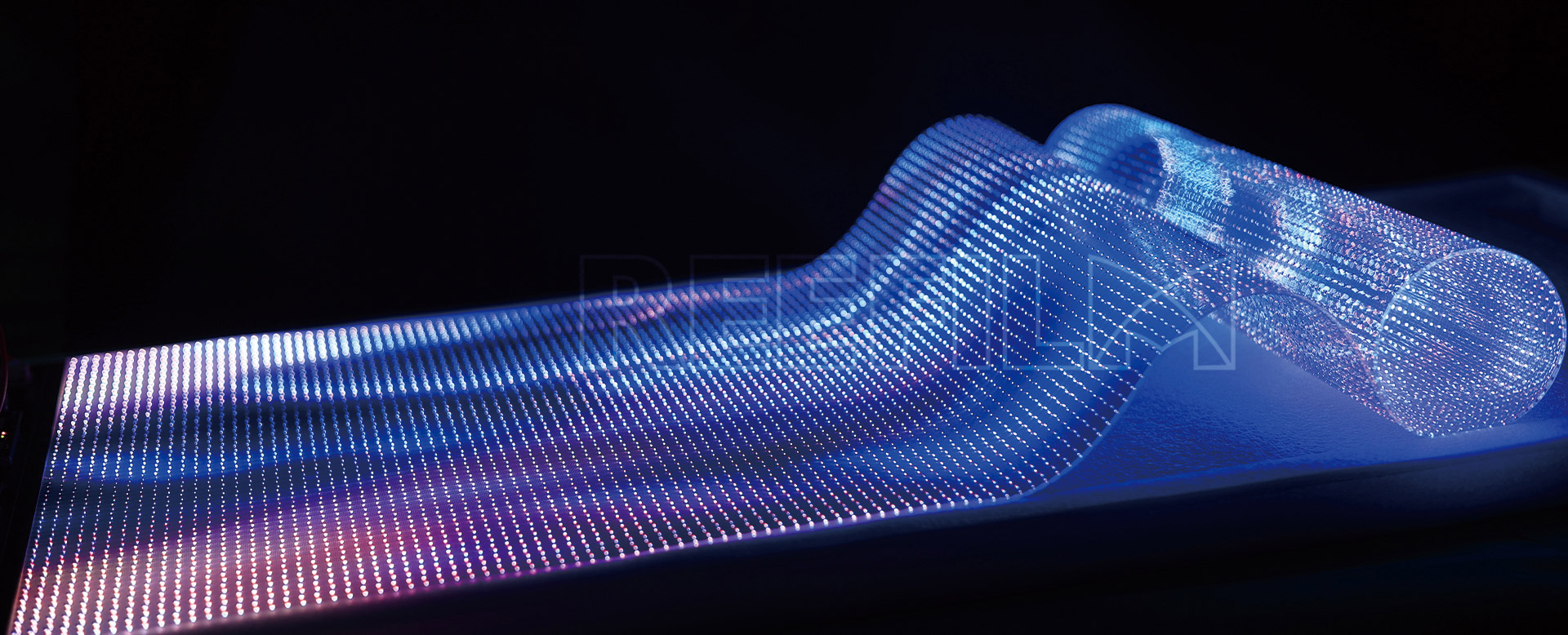
Led Flexible Screens are designed to provide more installation flexibility than conventional rigid LED displays. Their lightweight and bendable structure allows them to be installed on curved surfaces, columns, creative structures, stages, walls, and other irregular shapes.
However, installing an LED flexible screen requires more than simply attaching the display to a surface. The mounting method, screen structure, module connection, power supply, control system, and bending radius all need to be considered before installation.
This guide explains the general installation process for Flexible LED Screens and the key factors buyers and installers should consider when planning an LED display project.
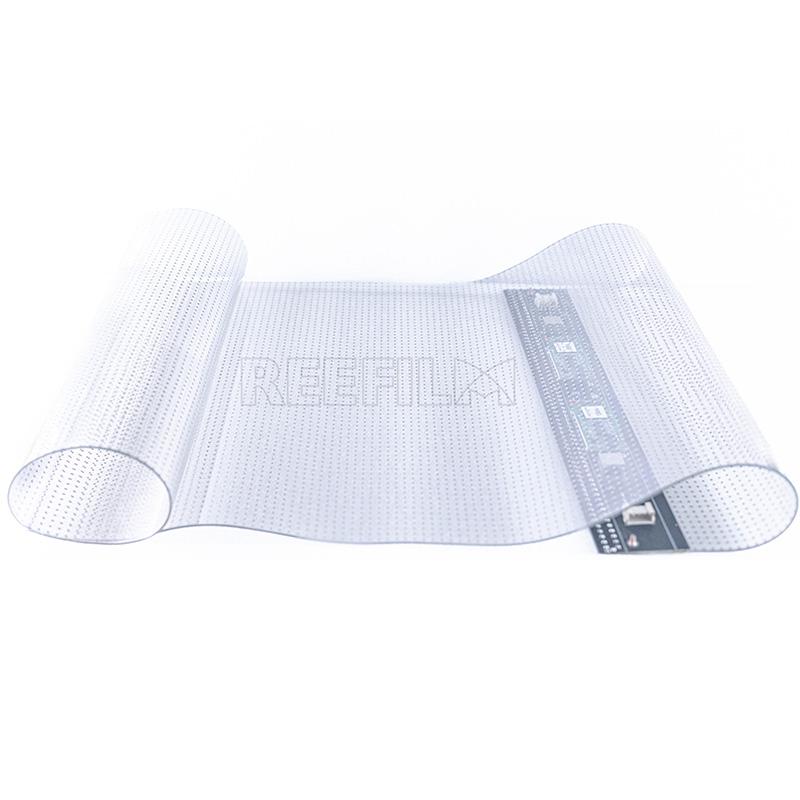
1. Prepare the Installation Surface
Before installing a flexible LED screen, the mounting surface should be checked to ensure that it can support the display and related components. The surface should be clean, stable, and suitable for the selected mounting method.
For curved or irregular surfaces, installers should also confirm the shape and dimensions of the structure before fixing the screen. Accurate measurements help prevent gaps, excessive tension, or uneven installation.
2. Choose the Right Mounting Method
LED flexible screens can use different mounting methods depending on the screen design and installation environment. Common methods include magnetic mounting, adhesive fixing, frame mounting, and customized structural installation.
Magnetic Installation
Magnetic mounting can provide a convenient solution for compatible flexible LED modules. Magnets allow modules to be attached to a suitable metal structure and can make installation and maintenance easier.
Adhesive Installation
For certain lightweight Flexible Led Displays, adhesive materials may be used to secure the screen to a suitable surface. The adhesive must be compatible with the installation environment and provide sufficient holding strength.
Frame or Structural Installation
For larger displays or permanent installations, a customized frame or supporting structure may be required. The structure provides a stable mounting surface and helps maintain the intended screen shape.
The appropriate method depends on the screen design, weight, dimensions, installation location, surface material, and maintenance requirements.
3. Install the Flexible LED Modules
After the supporting structure is prepared, the LED modules or flexible panels can be positioned according to the display layout. Installers should follow the manufacturer's recommended sequence to ensure correct alignment and electrical connections.
For curved installations, the modules should be shaped gradually according to the specified bending requirements. Excessive force should be avoided because improper bending can damage the PCB, LEDs, connectors, or other internal components.
4. Connect the LED Modules
Flexible LED screens normally consist of multiple modules or panels that are connected to create the required display size. The modules need to be connected according to the manufacturer's wiring and signal configuration.
Installers should check the direction, connector type, signal path, and module arrangement before powering up the display. Incorrect connections can result in abnormal display behavior or prevent part of the screen from working.
5. Connect the Power Supply
The LED display must be connected to an appropriate power supply based on the screen's electrical specifications. Power distribution should be planned according to the total screen size, power consumption, cable length, and installation layout.
For larger installations, power may need to be distributed across multiple sections rather than supplied through a single connection. Proper cable sizing, power distribution, grounding, and electrical protection should be handled according to applicable requirements and the manufacturer's specifications.
6. Connect the Control System
The control system sends image and video signals to the LED display. Depending on the product configuration, the system may include a sending card, receiving cards, controller, processor, media player, or related control equipment.
After the hardware is connected, the display parameters can be configured using the appropriate control software. Resolution, cabinet or module arrangement, signal mapping, refresh rate, and other settings should match the actual screen configuration.
7. Test the Display Before Finalizing the Installation
Testing should be performed before completing the installation. Power on the screen and check whether all modules display correctly.
Important items to check include:
LED modules and pixels are operating normally.
Signal connections are stable.
Brightness and color are consistent across the screen.
There are no abnormal dark areas or flickering sections.
Power distribution is functioning correctly.
The screen follows the intended curved or irregular shape.
Control software communicates correctly with the display.
Testing individual sections before completing the entire installation can make it easier to identify connection or configuration problems.
8. How Are LED Flexible Screens Installed on Curved Surfaces?
One of the main advantages of a flexible LED screen is its ability to conform to curved structures. However, the screen must still be installed within its specified bending limitations.
Before installation, measure the radius and shape of the curved structure. The manufacturer's minimum bending radius should then be compared with the required installation radius.
During installation:
Follow the specified bending direction.
Avoid sharp folds or excessive twisting.
Do not apply excessive pressure to LED components.
Keep connectors and cables properly positioned.
Use an appropriate supporting structure for large or complex installations.
The actual bending capability varies between LED flexible screen designs. Buyers should confirm the minimum bending radius and allowable bending direction with the manufacturer before finalizing the structure.
What Should You Consider Before Installing an LED Flexible Screen?
Screen Size and Shape
Determine the required width, height, curvature, and overall display shape before ordering the screen. Custom screen dimensions may require a corresponding customized mounting structure.
Pixel Pitch
Pixel pitch affects image detail and the recommended viewing distance. The appropriate pixel pitch should be selected according to the application, screen size, and expected audience viewing distance.
Installation Environment
Indoor and outdoor installations may require different levels of protection. Temperature, humidity, dust, water exposure, sunlight, and ventilation should be considered when selecting the appropriate LED flexible screen.
Maintenance Access
Maintenance should be considered during the initial installation design. Installers should ensure that modules, power supplies, connectors, and control components can be accessed when inspection or replacement is required.
Power and Control Requirements
Before installation, confirm the total power consumption, power distribution design, control system, signal sources, and cable routing. Proper planning can help reduce installation problems and simplify future maintenance.
Can LED Flexible Screens Be Customized for Installation?
Yes. Flexible LED screens can be customized for various display structures and applications. Depending on the manufacturer, customization may include screen dimensions, pixel pitch, module configuration, brightness, protection level, mounting structure, and other specifications.
For projects involving curved walls, columns, circular structures, stage designs, exhibition displays, or other irregular surfaces, buyers should provide drawings, dimensions, installation radius, and application requirements to the manufacturer.
A professional supplier can then recommend a suitable screen configuration and mounting solution based on the project requirements.
Frequently Asked Questions
Can LED flexible screens be installed on curved walls?
Yes. Flexible LED screens are designed for applications where the display needs to follow a curved or irregular surface. However, the required curvature must remain within the manufacturer's specified bending radius.
What is the best way to mount a flexible LED screen?
There is no single mounting method for every project. Magnetic mounting, adhesive fixing, frames, and customized structures may all be suitable depending on the screen design and installation environment.
Can an LED flexible screen be installed outdoors?
Some flexible LED screens are designed for outdoor use, but outdoor applications require suitable protection against environmental conditions. Check the product's protection rating, operating temperature range, brightness, and structural requirements before installation.
Does the bending radius affect LED screen installation?
Yes. The bending radius is an important installation parameter. Bending a screen beyond its specified limit can damage internal components and affect display performance.
Can the installation structure be customized?
Yes. For commercial and architectural projects, the supporting structure can often be customized according to the screen dimensions, curved surface, installation position, and maintenance requirements.
Conclusion
Installing an LED flexible screen generally involves preparing the installation surface, selecting a suitable mounting method, positioning the modules, connecting power and signal systems, configuring the controller, and testing the display.
For curved and creative installations, the bending radius and supporting structure are especially important. Before ordering, buyers should provide the screen dimensions, installation shape, viewing distance, environment, and project requirements so the manufacturer can recommend a suitable configuration.
Working with an experienced LED flexible screen manufacturer can also help simplify the process by providing customized display solutions, mounting recommendations, and technical support for different installation environments.


