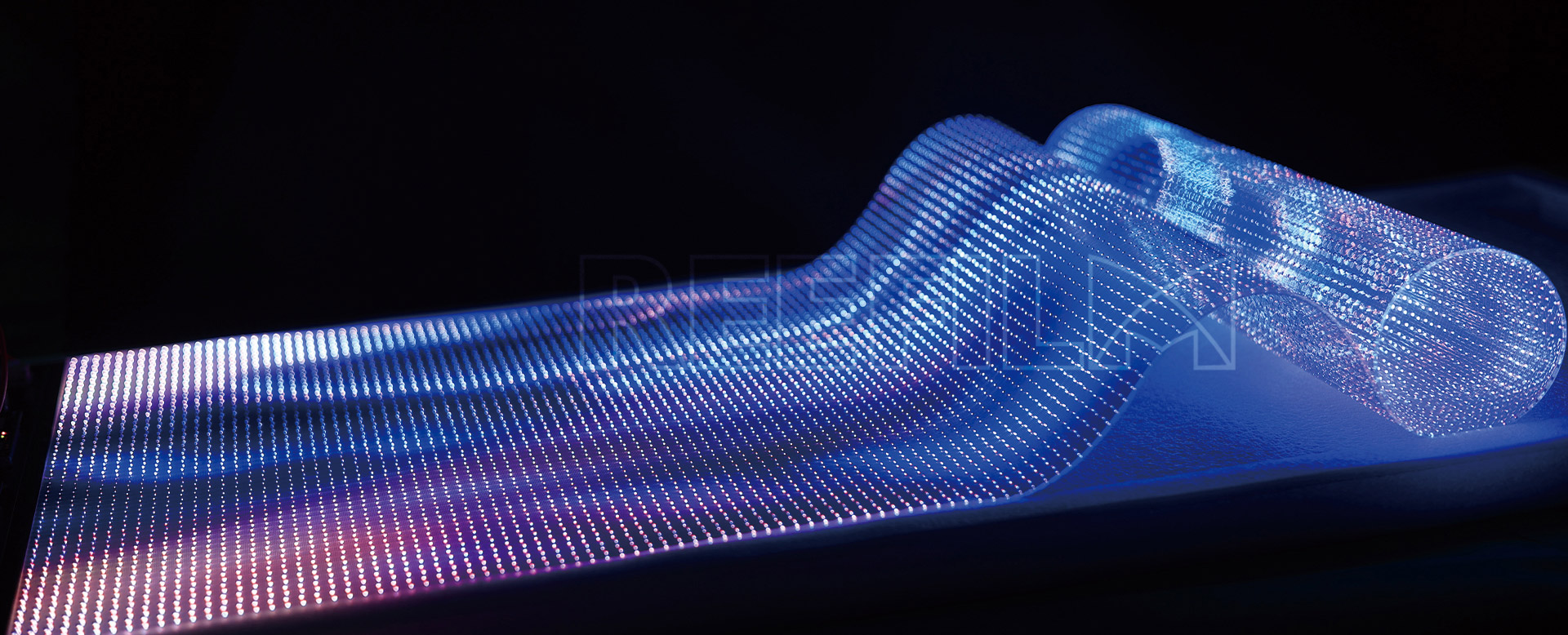
Pixel Pitch: 8mm (distance between adjacent LED clusters), balancing resolution and cost-efficiency for outdoor viewing distances of 8+ meters.
Pixel Density: 15,625 pixels/m², ensuring clear imagery even at medium-to-long ranges.
Brightness: 6,500–7,000 nits (cd/m²), designed to combat direct sunlight and maintain visibility in daylight.
Protection Rating: IP65 or higher (dustproof and water-resistant), withstanding rain, humidity, and dust.
Viewing Angles: ≥140° horizontally and vertically, enabling wide audience coverage without color distortion.
Power Consumption: Average 150–200W/m² (peak ≤600W/m²), with energy-saving modes available.
Superior Clarity & Color Accuracy
Full-Color LEDs: Utilizes high-grade LED chips (e.g., Cree, Nichia) with 16.7 million color options and 65,536 grayscale levels for vivid, lifelike visuals.
High Refresh Rate: ≥3,840Hz, eliminating motion blur for dynamic content like sports broadcasts or live events.
Durability & Stability
Waterproof iron/aluminum cabinets with anti-corrosion coating (operational range: -30°C to +80°C).
Advanced cooling systems (air cooling or integrated AC units) for 24/7 operation.
Long Lifespan: LED modules rated for 100,000+ hours, reducing replacement frequency.
Rugged Cabinet Design:
Smart Control & Flexibility
Synchronous: Real-time playback via HDMI/DVI/SDI inputs.
Asynchronous: Offline content storage and playback via USB/Wi-Fi/4G.
Dual Control Modes:
Multi-Screen Management: Centralized control software for remote updates and monitoring across multiple displays.
Commercial Advertising
Example: A 10m×6m P8 display installed at a shopping mall achieves 12-hour daily operation with 20% lower energy consumption than traditional solutions.
Use Case: Dynamic product promotions, brand storytelling, and interactive campaigns.
Transportation Hubs
Example: Airports and train stations deploy P8 screens for real-time flight/train schedules, multilingual announcements, and emergency alerts.
Key Feature: 7,000-nit brightness ensures readability even under midday sun.
Sports & Entertainment Venues
Example: Stadiums use P8 displays for live match feeds, instant replays, and fan engagement content.
Performance: Low-latency playback and wide viewing angles enhance spectator experience.
Public Information Systems
Example: Municipal governments install P8 screens for weather updates, news broadcasts, and community announcements.
Viewing Distance & Resolution
P8 suits audiences 8+ meters away; for closer viewing (e.g., retail stores), consider P6 or P4 displays.
Environmental Adaptability
Verify IP rating (IP65+ for rainy/dusty regions) and cooling efficiency (critical in hot climates).
Control System Compatibility
Ensure compatibility with existing AV infrastructure (e.g., HDMI 2.0, 5G/Wi-Fi 6 for wireless control).
Cost & Maintenance
Initial Investment: Prices vary by brand, size, and features (e.g., smart brightness adjustment).
Long-Term Savings: Opt for modular designs for easy part replacement and low downtime.
Vendor Support
Choose suppliers offering on-site installation, training, and warranty services (typically 3–5 years).
The P8 Outdoor Led Display combines robustness, clarity, and smart functionality, making it ideal for high-traffic outdoor environments. Its adaptability to extreme weather, energy efficiency, and seamless content management position it as a top choice for advertisers, event organizers, and public service providers. When selecting a model, prioritize brightness, IP rating, and control flexibility to maximize ROI in your specific use case.



Copyright © 2026 Guangdong Leiyi Optoelectronic Technology Co., Ltd All rights reserved. Privacy Policy
